

10 Free DIY Sacrificial Fence Plans for Safer, Cleaner Cuts
A good sacrificial fence is one of the smartest small upgrades you can make in a woodworking shop. It protects your factory fence, opens the door to cleaner rabbets and dadoes, and makes zero-clearance setups far easier to dial in. The collection below brings together ten free builds and how-to guides from ten different sources, ranging from quick clamp-on table saw fences to more refined multi-use systems and miter saw subfences. If you like shop projects that earn their keep immediately, this is a very good place to start.
Shop-Made Auxiliary Fence

Overview: This Woodsmith build is a practical, long-lasting sacrificial fence made from four layers, with the inner pieces spaced to leave room for clamp heads. That means you get a secure attachment method without hardware hanging into the cut path. It is simple, compact, and easy to customize to the exact length of your rip fence.
Why it is great: It solves the clamp-interference problem in a clean, elegant way.
Link to original plans: https://www.woodsmith.com/article/shop-made-auxiliary-fence/
Long-Lasting Sacrificial Fence

Overview: Popular Woodworking’s version uses thick MDF strips and a clever clamp-friendly layout to create a fence that is sturdy, easy to mount, and durable enough for regular dado and rabbet work. The article also highlights the advantage of making the assembly thick enough to flip and keep using after one face gets chewed up.
Why it is great: It is a beginner-friendly design that feels more substantial than a quick scrap build.
Link to original plans: https://www.popularwoodworking.com/tricks/long-lasting-sacrificial-fence/
What Is a Table Saw Sacrificial Fence, And How You Build One

Overview: This build walks through a tall plywood sacrificial fence that slips over the main rip fence and locks in place with a knob-and-shim arrangement. It also adds a stop dowel so the fence registers consistently every time you install it, which is a nice touch if you want a dedicated shop accessory instead of a one-off jig.
Why it is great: The taller profile makes it especially useful for featherboard-supported cuts.
Link to original plans: https://thepowertoolwebsite.com/table-saw-sacrificial-fence
Auxiliary Rip Fence

Overview: WOOD Magazine’s auxiliary rip fence is one of those shop fixtures that earns a permanent spot near the saw. Built from MDF with solid-wood spacers, it is designed to extend the usefulness of the stock fence and support specialty work that benefits from a sacrificial face or taller bearing surface.
Why it is great: It is simple, versatile, and easy to adapt to your own fence dimensions.
Link to original plans: https://www.woodmagazine.com/tool-reviews/tablesaws/auxiliary-rip-fence
Making A Miter Saw Fence
Overview: John Heisz takes the sacrificial-fence idea to the miter saw with a replacement-style fence that provides much better support at the cut line. The build focuses on accuracy, rigidity, and real-world usability, making it especially appealing for trim work, repetitive shop cuts, and cleaner support for smaller stock.
Why it is great: It is a smart upgrade for anyone who uses a miter saw often and wants cleaner, more confident cuts.
Link to original plans: https://ibuildit.ca/projects/making-a-miter-saw-fence/
How to Make a Zero-Clearance Miter Saw Fence
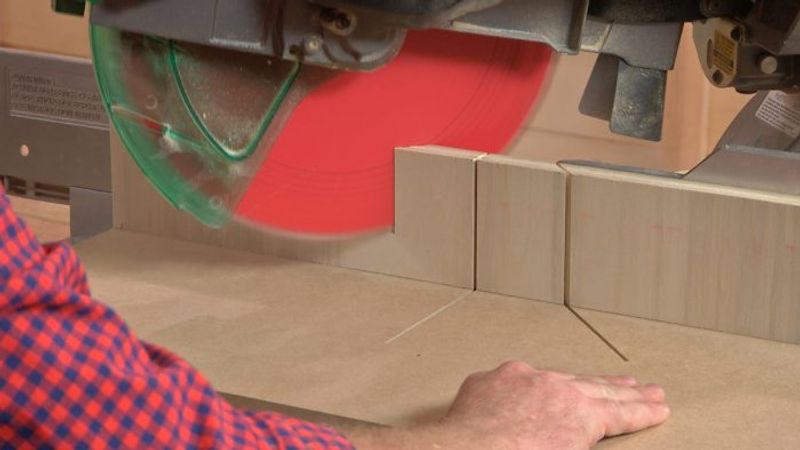
Overview: This is one of the fastest, most approachable builds in the group. Fine Homebuilding shows how to make a simple zero-clearance miter saw fence from scrapwood and CA glue, with just enough depth and height to create a clean kerf and better support for small moldings and cabinet parts.
Why it is great: It is fast, useful, and very easy to make from offcuts already in the shop.
Link to original plans: https://www.finehomebuilding.com/project-guides/finish-trim-carpentry/how-to-make-a-zero-clearance-miter-saw-fence
Custom Sacrificial Fence Clamps for Fusion F2 Tablesaw

Overview: This Laguna build focuses on making custom L-bolt-style clamps and pairing them with a plywood sacrificial fence sized to the Fusion F2 fence. It is a clever hardware-driven solution that feels more refined than a generic clamp-on board and is aimed at woodworkers who want secure attachment and repeatable alignment.
Why it is great: It offers a more engineered approach for shops that like dedicated, purpose-built accessories.
Link to original plans: https://info.lagunatools.com/custom-sacrificial-fence-clamps-for-fusion-f2-tablesaw
Unifence Auxiliary Facing

Overview: This clever Woodcraft design is aimed at Delta Unifence owners, but the core idea is broadly useful: a 3/4-inch MDF facing sized taller than the factory fence, plus a spacer that carries three toggle clamps for fast, repeatable installation. Instead of drilling into the fence and fussing with screws every time a dado setup comes out, this version clamps on quickly and creates a sacrificial face ready for rabbets and other close-to-the-fence cuts.
Why it is great: It turns a sacrificial fence into a faster, cleaner accessory you will actually want to use.
Link to original plans: https://www.woodcraft.com/blogs/magazine/unifence-auxiliary-facing
Quick Sacrificial Fences & Auxiliary Fences
Overview: KM Tools offers one of the quickest sacrificial fence builds in the group: rip a piece of plywood to match your table saw fence, drill two 3/8-inch holes, and use adjustable fence clamps to lock it in place. The setup is intentionally simple, but it also scales nicely, because you can screw on a taller plywood face when you need more support for resawing or other specialized cuts.
Why it is great: It is fast, approachable, and ideal for woodworkers who want a no-fuss sacrificial fence they can make in minutes.
Link to original plans: https://kmtools.com/blogs/news/quick-tip-adjustable-fence-clamp-hacks
The Ultimate DIY Table Saw Auxiliary Fence
Overview: This is the most feature-rich build in the roundup. MWA Woodworks walks through a tall auxiliary fence system with a subfence, attachment points, and room for accessories such as tracks and featherboards. It is more ambitious than a basic sacrificial face, but it is a compelling option for woodworkers who want one fence platform that can handle a wide range of jobs.
Why it is great: It is the best choice here for a woodworker ready to build one serious fence system instead of several smaller shop aids.
Link to original plans: https://www.mwawoodworks.com/posts/the-ultimate-table-saw-fence
The best sacrificial fence is the one that matches the way you actually work. If you want a quick win, start with one of the simpler clamp-on table saw versions. If your miter saw does a lot of finish work, the zero-clearance subfences are hard to beat. And if you are ready for a deeper shop upgrade, the more advanced auxiliary fence systems can become the backbone for safer, more precise joinery work for years to come.
Want more woodworking tips, tool reviews, and project plans? Subscribe to FamousArtisan.com and never miss an update!
Don’t forget to show off your work in our Share Your Build section. We truly appreciate it when people share their work and let us know how our plans turned out for others.
* This post may have affiliate links, which means I may receive commissions if you choose to purchase through links I provide (at no extra cost to you). As an Amazon Associate I earn from qualifying purchases. Thank you for supporting the work I put into this site.
Discover more from Famous Artisan
Subscribe to get the latest posts sent to your email.